On this page
I have started looking at different cross-chain bridges to understand how different bridges have different setups and understand if the risks are properly communicated to the users using them and the teams operating them.
I came across EvoDefi from this tweet in my Twitter timeline and thought it warranted some more eyes on it.
https://twitter.com/0xtroll/status/1497687274146136065
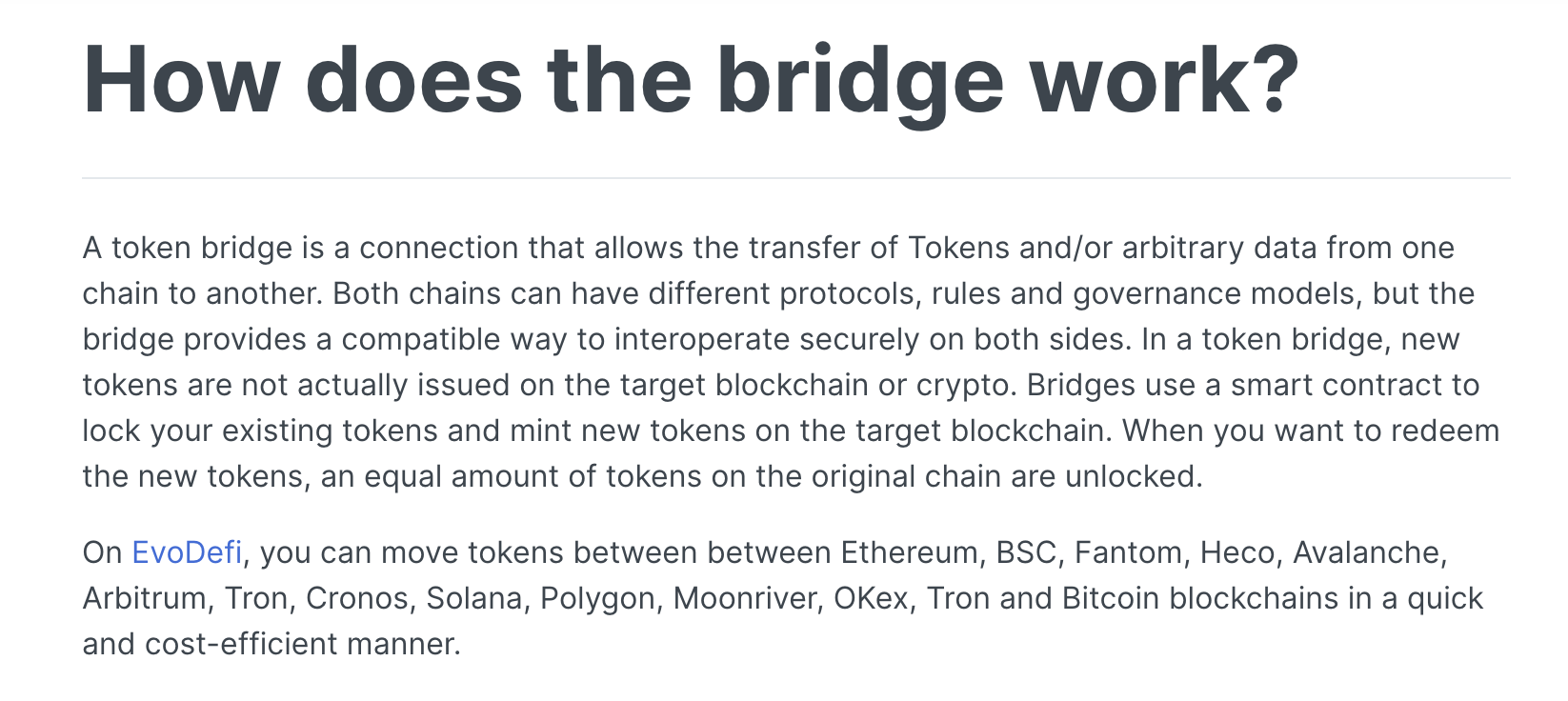
Whilst reading the docs for EvoDefi, I notice that the "how does the bridge work?" does not actually explain how it works, especially the technical side. This got me interested and to poke around.
Fetching the Bridge Addresses
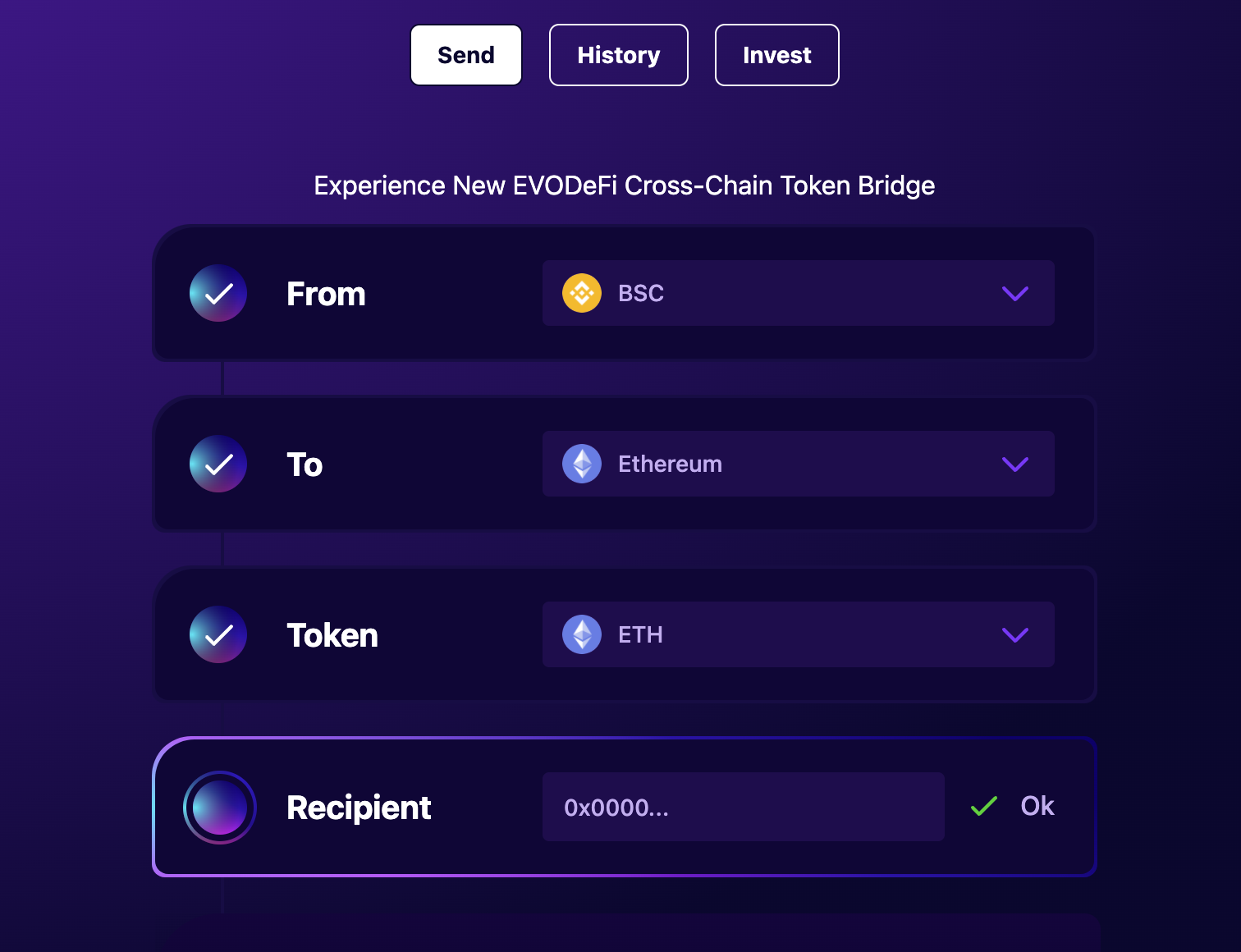
When a user wants to bridge, they are presented a UI from EvoDefi and the relevant bridge contract address is fetched from their HTTP API GET //api.evodefi.com/bridge/v1/settings.
Conviently, the response to this request has an _id field, which looks like a MongoDB ID field. From here, we can extract the timestamp from this object - which is when the document was inserted into MongoDB.
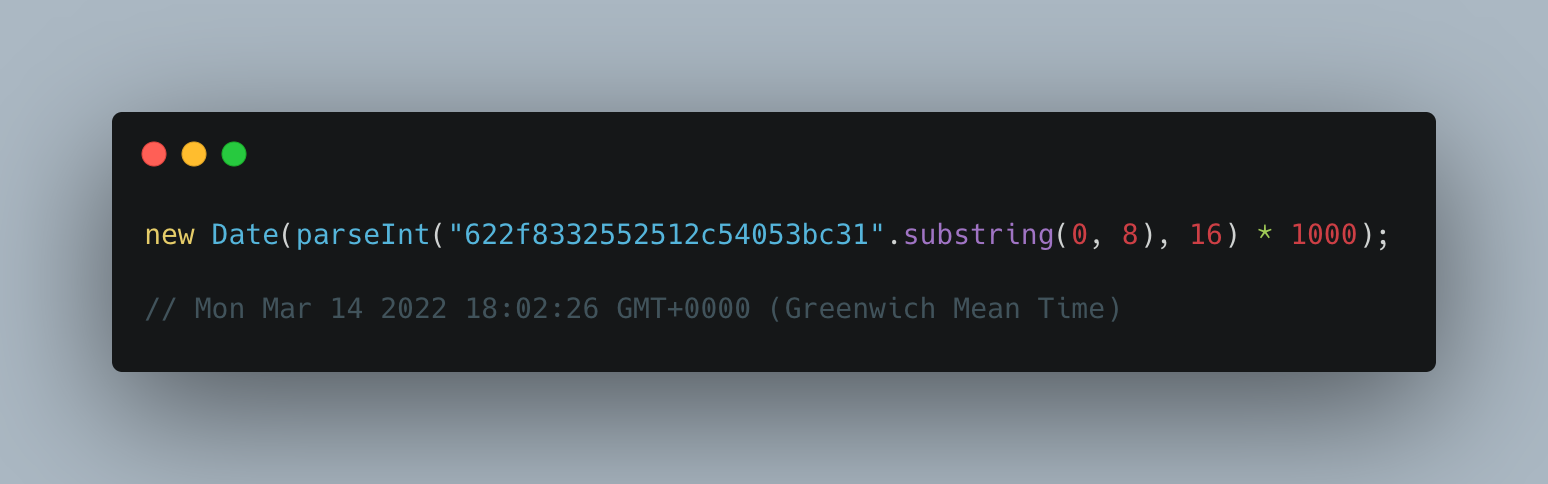
As the document was updated recently, we could maybe assume it is because they have added/updated tokens to the document.
However, this does raise a concern;
- How is the MongoDB instance secured?
- Who has access to the MongoDB instance?
- Is access to this MongoDB audited?
- What's their security policy on authentication?
- Is authenticating keys rotated? If so, how?
- What other applications make use of this MongoDB instance?
- Have they been audited for any vulnerabilities that allow write access to the same collection as these documents are held?
Do they have good security practices to prevent an unauthorised change to the database record of the bridge value for any chain.
{
    "_id": "622f8332552512c54053bc31",
    "networks": [{
        "id": 0,
        "bridge": "0x06c30Af8A82AAf9cFd319f8644584276Bfbec42f",
        "name": "BSC",
        "icon": "https://api.evodefi.com/bridge/img/bnb.png",
        "explorer": "https://bscscan.com/tx/",
        "confirmations": 20,
        "bonus": 0,
        ...
    }]
}
Bridge Contracts
- Arbitrum:
0x06c30Af8A82AAf9cFd319f8644584276Bfbec42f - Avalanche:
0x06c30Af8A82AAf9cFd319f8644584276Bfbec42f - BinanceSmartChain:
0x06c30Af8A82AAf9cFd319f8644584276Bfbec42f - Cronos:
0x06c30Af8A82AAf9cFd319f8644584276Bfbec42f - Ethereum:
0x06c30Af8A82AAf9cFd319f8644584276Bfbec42f - Fantom:
0x06c30Af8A82AAf9cFd319f8644584276Bfbec42f - Gnosis:
0x7ccA0859058Aa03301106aB8ABA1707A16a30821 - HarmonyOne:
0x7ccA0859058Aa03301106aB8ABA1707A16a30821 - Heco:
0x06c30Af8A82AAf9cFd319f8644584276Bfbec42f - Moonriver:
0x06c30Af8A82AAf9cFd319f8644584276Bfbec42f - OKExChain:
0x06c30Af8A82AAf9cFd319f8644584276Bfbec42f - Oasis:
0x7ccA0859058Aa03301106aB8ABA1707A16a30821 - Optimism:
0x7ccA0859058Aa03301106aB8ABA1707A16a30821 - Polygon:
0x06c30Af8A82AAf9cFd319f8644584276Bfbec42f - Solana:
G9NyMJzQrRAcSm4T16tuRjyfCjXgHEw1njeYDLhLDryZ
Notables from the Bridge Smart Contracts
I'll make some notes about some of the smart contracts on different chains.
BinanceSmartChain
- Bridge:
0x06c30Af8A82AAf9cFd319f8644584276Bfbec42f- Contract is verified
Ethereum Mainnet
- Bridge:
0x06c30Af8A82AAf9cFd319f8644584276Bfbec42f- Contract is not verified
Polygon
- Bridge:
0x06c30Af8A82AAf9cFd319f8644584276Bfbec42f- Contract is not verified
For assets to move from each bridge, an EOA address has to initate a withdraw() call. The structure of this call is withdraw((bytes32,address,uint256,uint256,address,uint256[],address[])[]).
You can see some examples here:
- https://polygonscan.com/tx/0x9abd99a0de788470d6ae9b6aa1a7b64dddfa975c82de95556b2b31754025e89d
- https://bscscan.com/tx/0x6b9dce481f0419a5f0d915b9906f53750c8c01ef6e11089e41a66a99a2ba6de3
- https://etherscan.io/tx/0x30029fc145b773b9c5d2fa8ef2a2083930fd7aa93364f3fd77cf3e8b34a998f8
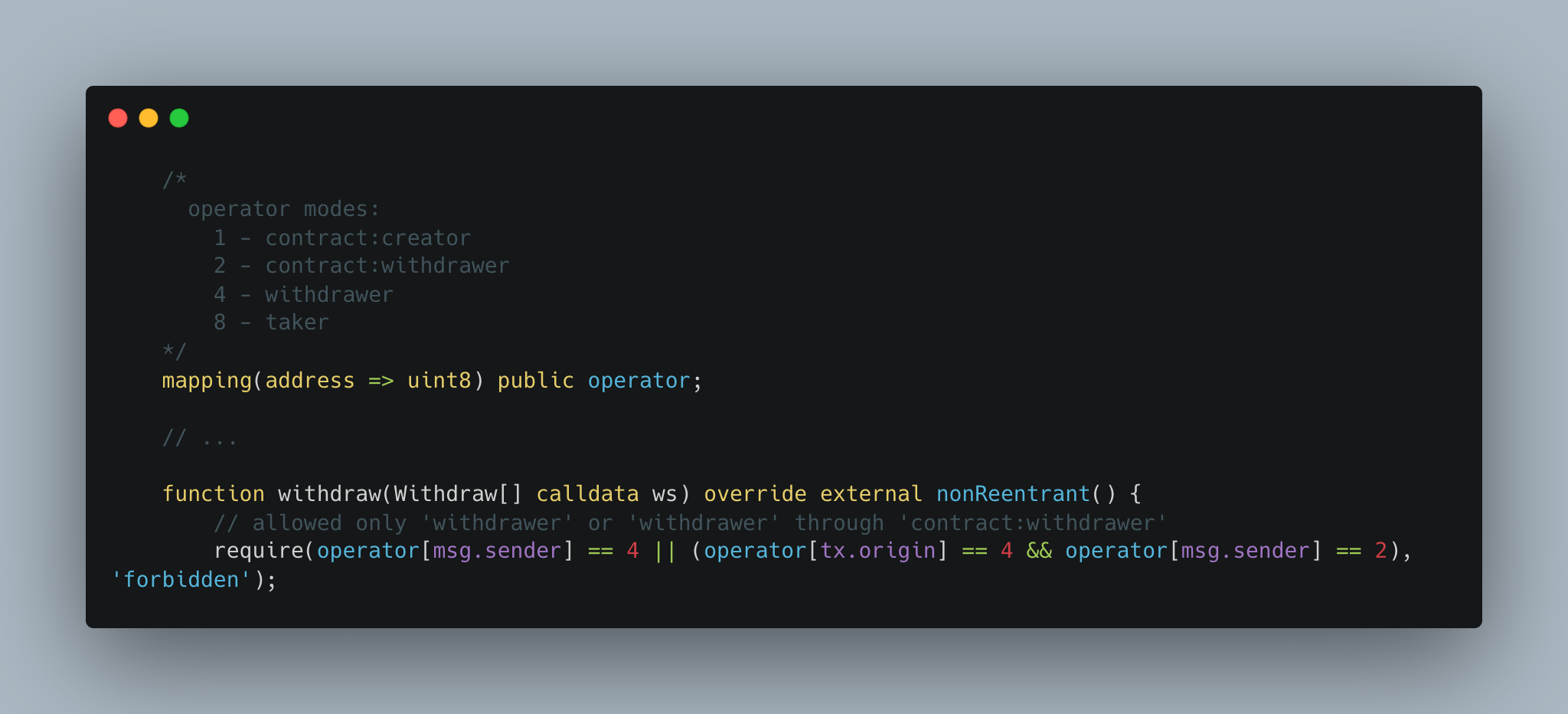
As of block 16207286, on BinanceSmartChain, there are 7 operators, and 3 of them are capable of calling withdraw().
0xad158b08348b46b94f2c36b34ab9c1e1ad4086a8 (EOA) (withdrawer)
0xcd4a15841a4906ff78d3f2aa8e55936f1a7ae4a5 (EOA) (withdrawer)
0xea79307d2b91c1d8a36062b1801ec55c11a56d58 (EOA) (withdrawer)
As of block 14419600, on Ethereum Mainnet, there are 6 operators, and 2 of them are capable of calling withdraw().
0xad158b08348b46b94f2c36b34ab9c1e1ad4086a8 (EOA) (withdrawer)
0xcd4a15841a4906ff78d3f2aa8e55936f1a7ae4a5 (EOA) (withdrawer)
As of block 26126438, on Polygon, there are 15 operators, and 11 of them are capable of calling withdraw().
0xea79307d2b91c1d8a36062b1801ec55c11a56d58 (EOA) (withdrawer)
0xad158b08348b46b94f2c36b34ab9c1e1ad4086a8 (EOA) (withdrawer)
0xcd4a15841a4906ff78d3f2aa8e55936f1a7ae4a5 (EOA) (withdrawer)
0xfab76435b43963afd421f0efa24fc090ccc6908e (EOA) (withdrawer)
0x772a8de4aae958f37987765fcee41b4abd19fdc0 (EOA) (withdrawer)
0x165ecc16fc12e796f1a22457049631e97924956e (EOA) (withdrawer)
0x92375877c6456a84bd7e0b6fe34c3a1806fbbc84 (EOA) (withdrawer)
0xcb59d26cfc6fd0d2459b0751fc40f7f557b5558c (EOA) (withdrawer)
0x558abff2dea0daeabb8a55f11747e8a29ba3c789 (EOA) (withdrawer)
0xbb101237b3a0405d41bd4891be27f562eeea56b2 (EOA) (withdrawer)
0xb35459b44affa7d4b29d26161d219e3775e627ad (EOA) (withdrawer)
Although there are all of these withdrawer operators, there are some operators that have no restrictions on taking any asset - other than being an authorised taker.
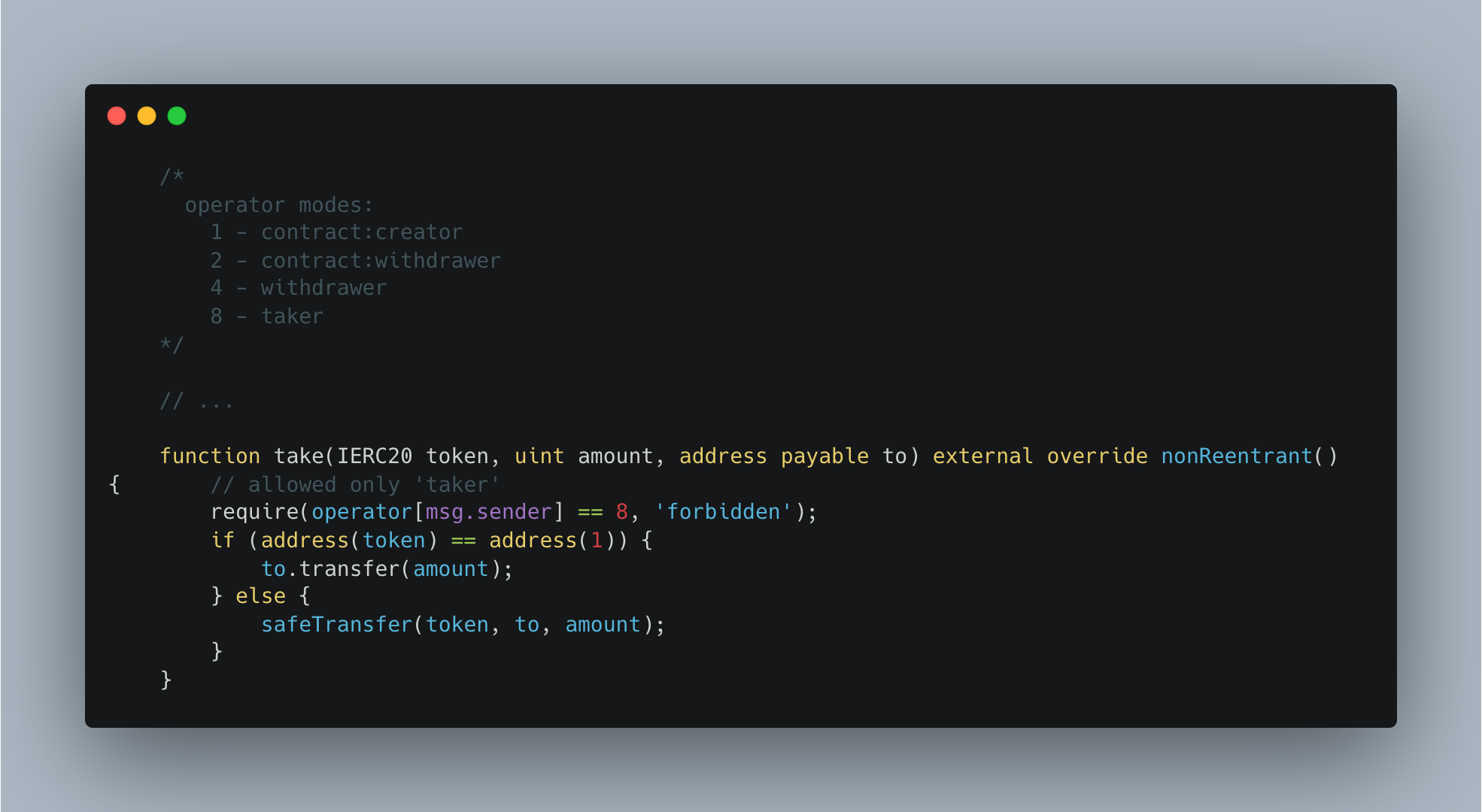
As of block 16207286, on BinanceSmartChain, there are 7 operators, and 3 of them are capable of calling take().
0x40e0dcd7024030c7b5e1d474fe95aaf7bb880ad0 (EOA) (taker)
0x2074ff8f6625a9eee2e3eac2fd658df18a5c5166 (EOA) (taker)
0xf758e719d88862f87585f20acc81417cae72df22 (EOA) (taker)
As of block 14419600, on Ethereum Mainnet, there are 6 operators, and 3 of them are capable of calling take().
0x40e0dcd7024030c7b5e1d474fe95aaf7bb880ad0 (EOA) (taker)
0x2074ff8f6625a9eee2e3eac2fd658df18a5c5166 (EOA) (taker)
0xf758e719d88862f87585f20acc81417cae72df22 (EOA) (taker)
As of block 26126438, on Polygon, there are 15 operators, and 3 of them are capable of calling take().
0x40e0dcd7024030c7b5e1d474fe95aaf7bb880ad0 (EOA) (taker)
0x2074ff8f6625a9eee2e3eac2fd658df18a5c5166 (EOA) (taker)
0xf758e719d88862f87585f20acc81417cae72df22 (EOA) (taker)
This means, the same 3 accounts can essentially rug pull;
In fact, take() has been called over 120 times on Polygon, with the beneficiaries being;
0x2074ff8f6625a9eee2e3eac2fd658df18a5c5166
0x40e0dcd7024030c7b5e1d474fe95aaf7bb880ad0
0xab0fdacb3fb80a70f510781df57211be25d8be00
0xc88dfb2e76569166a74ae118c16b2684237e5c39
0xf4f3572a2a27c1786133743e55fd64298300fba4
0xf758e719d88862f87585f20acc81417cae72df22
Here's a snapshot of funds taken from the Polygon Bridge using take() and sent to 0x2074ff8f6625a9eee2e3eac2fd658df18a5c5166 (A random address I chose from the above beneficiaries).
- A total of 1,700,200 USDC
- A total of 780,300 USDT
- A total of 173 WETH
- A total of 49999 anyUSDT
At current prices, this equates to $3,042,149 that has been taken from the bridge and sent directly to a beneficiary. Note that on Polygon alone, there is 6 different beneficiaries.
Also, take() has been called over 90 times on Ethereum Mainnet, with the beneficiaries being;
0x060c18597a5ee28fc1c310d770735964f702db93
0x2074ff8f6625a9eee2e3eac2fd658df18a5c5166
0x395cebfcbb9718abe1223aa1e435261cae25c0bb
0x40e0dcd7024030c7b5e1d474fe95aaf7bb880ad0
0xf758e719d88862f87585f20acc81417cae72df22
A total of 1667.1951538 ETH ($4,923,327) has been taken from the bridge and sent to different beneficiaries.
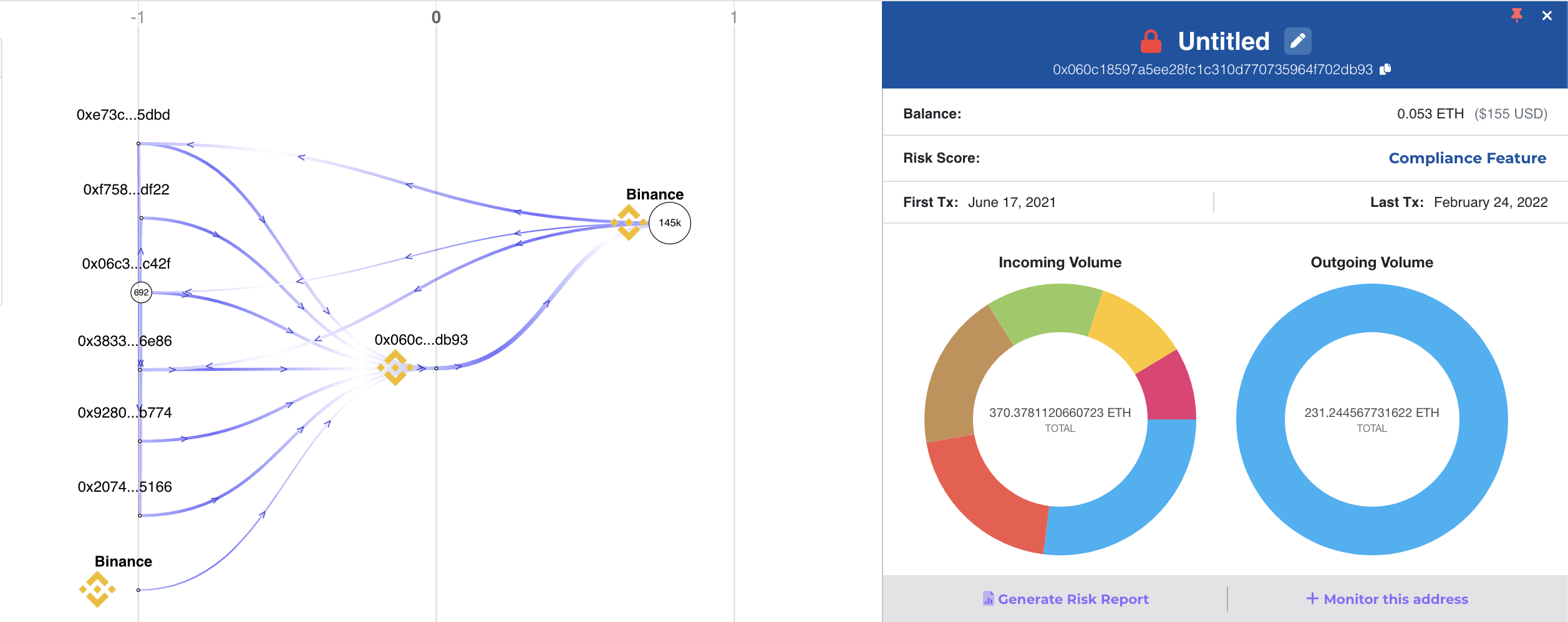
0x060c18597a5ee28fc1c310d770735964f702db93
0x2074ff8f6625a9eee2e3eac2fd658df18a5c5166
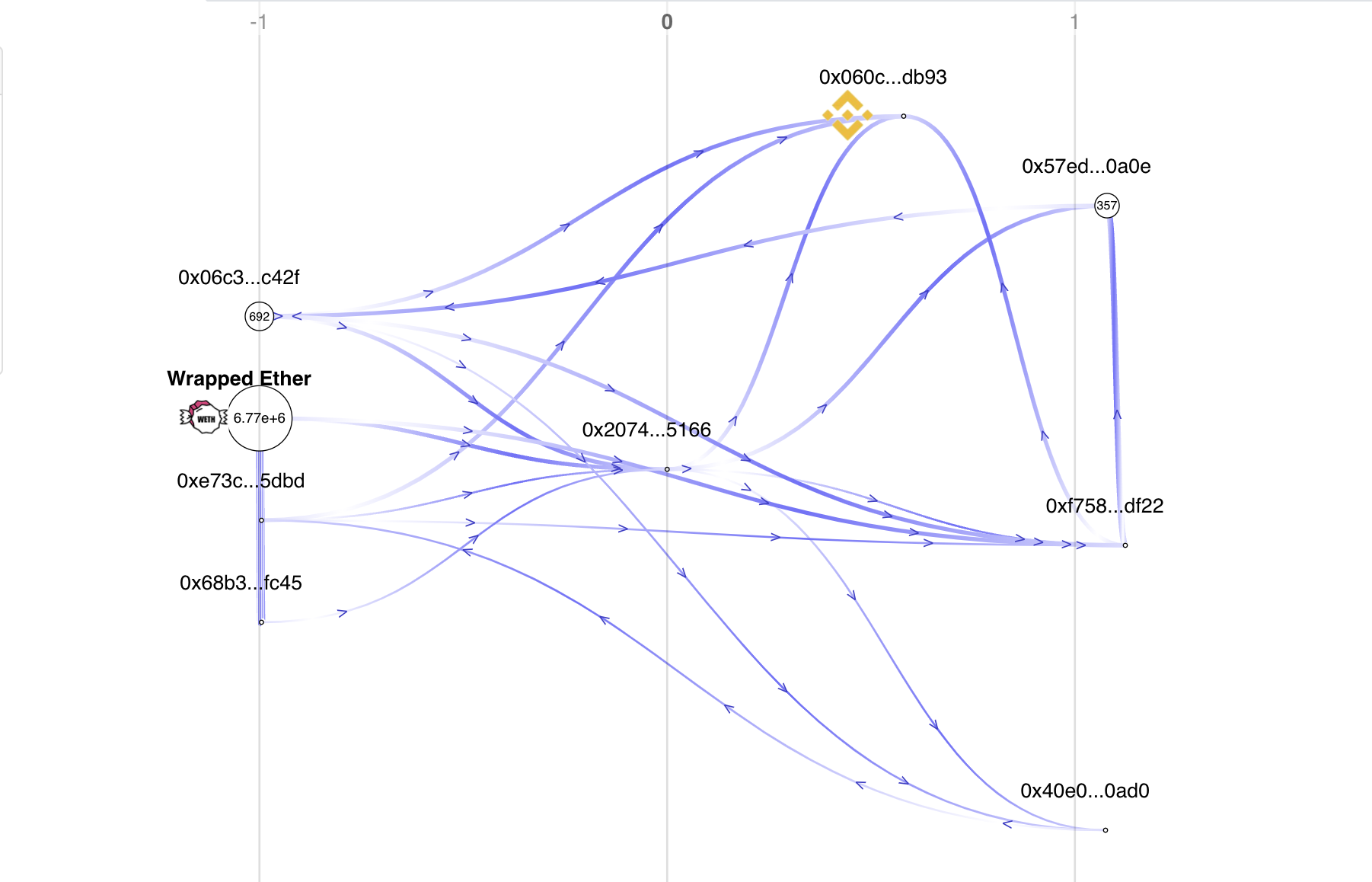
Other direct beneficiaries for this address are: 0x57ed6bd35a6ce815079855cd0b21331d1d5d0a0e, 0xf758e719d88862f87585f20acc81417cae72df22, 0x40e0dcd7024030c7b5e1d474fe95aaf7bb880ad0.
0x395cebfcbb9718abe1223aa1e435261cae25c0bb
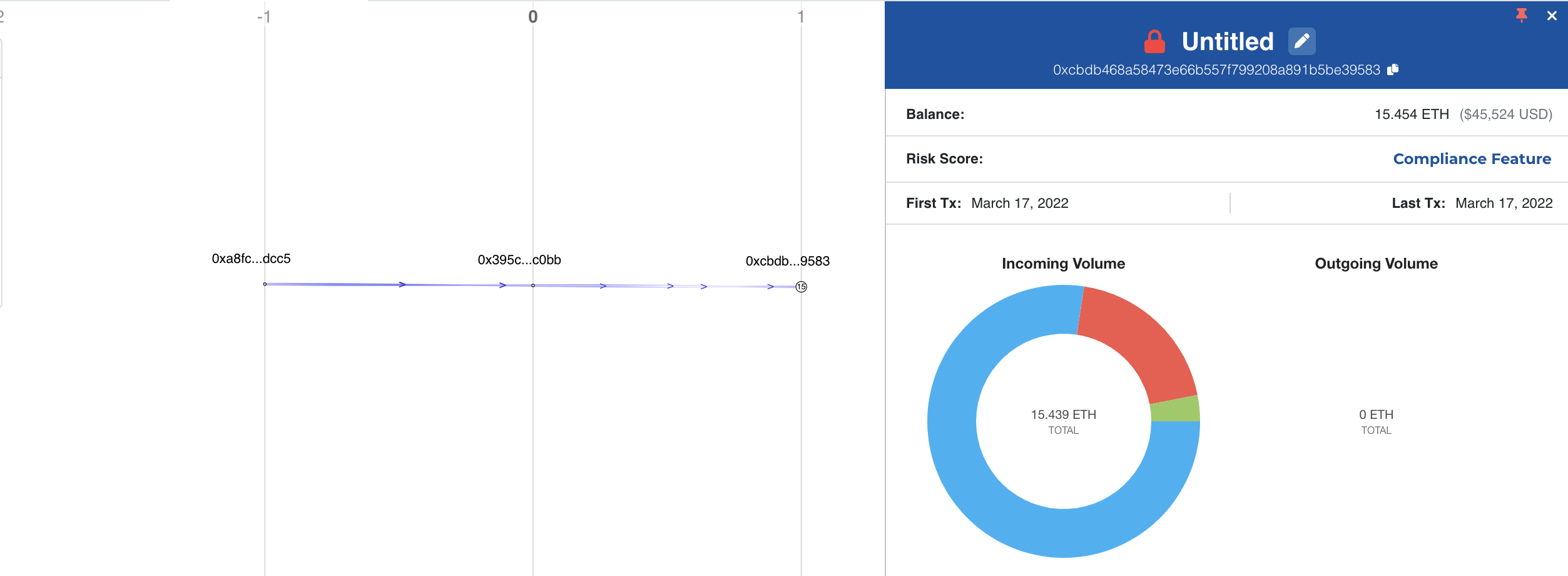
The only beneficiary is 0xcbdb468a58473e66b557f799208a891b5be39583.
0x40e0dcd7024030c7b5e1d474fe95aaf7bb880ad0
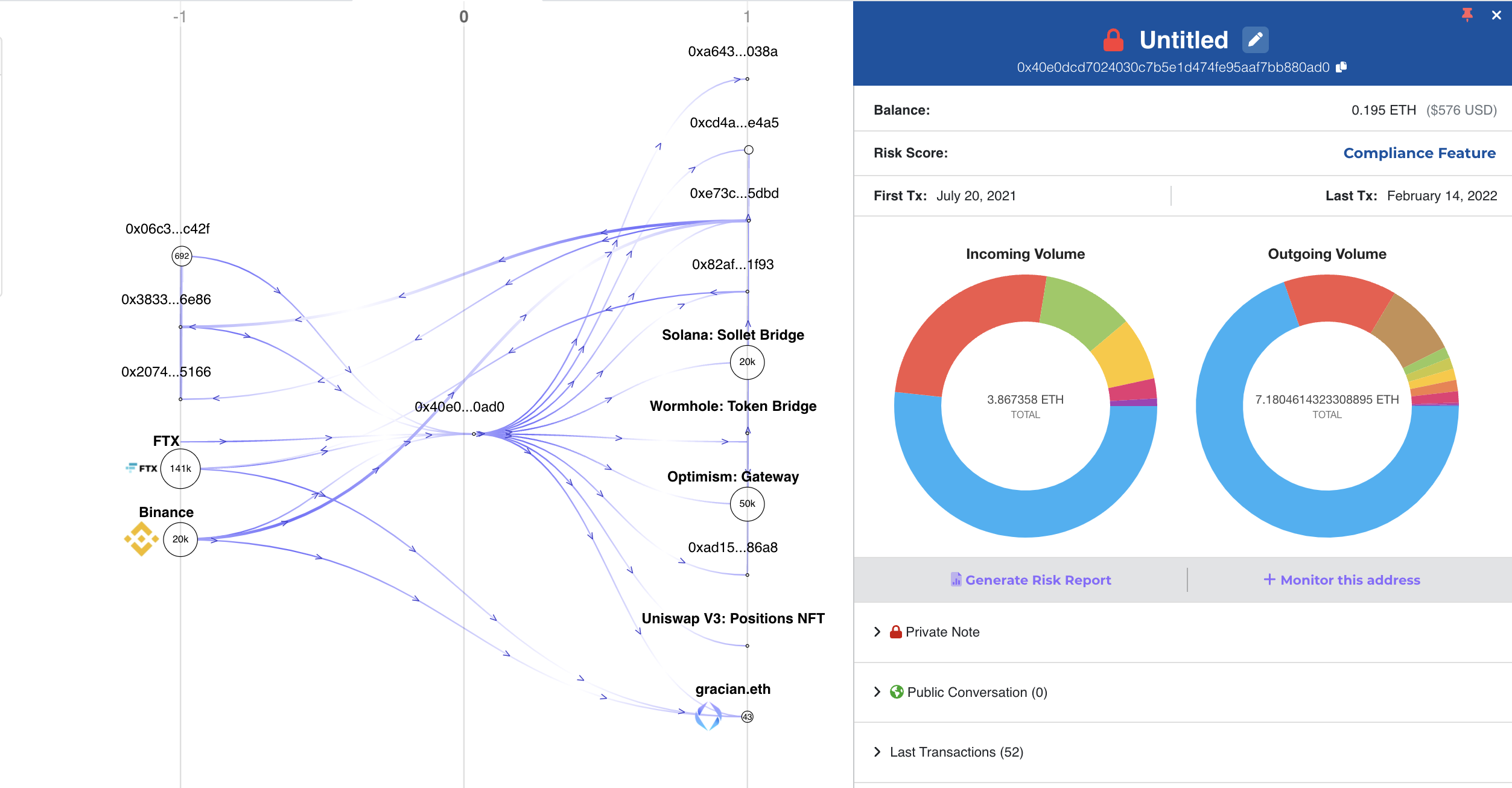
Other direct beneficiaries for this address are: 0xa6439ca0fcba1d0f80df0be6a17220fed9c9038a, 0xcd4a15841a4906ff78d3f2aa8e55936f1a7ae4a5, 0xe73c4e077a9fcd02b590f8c275773401e5f95dbd, 0x82afc7e1172fd866c5f1317faef36b08f96e1f93, 0xad158b08348b46b94f2c36b34ab9c1e1ad4086a8, 0x4cd977fdad7acc7b515dfd5637c28afddef8b072.
0xf758e719d88862f87585f20acc81417cae72df22
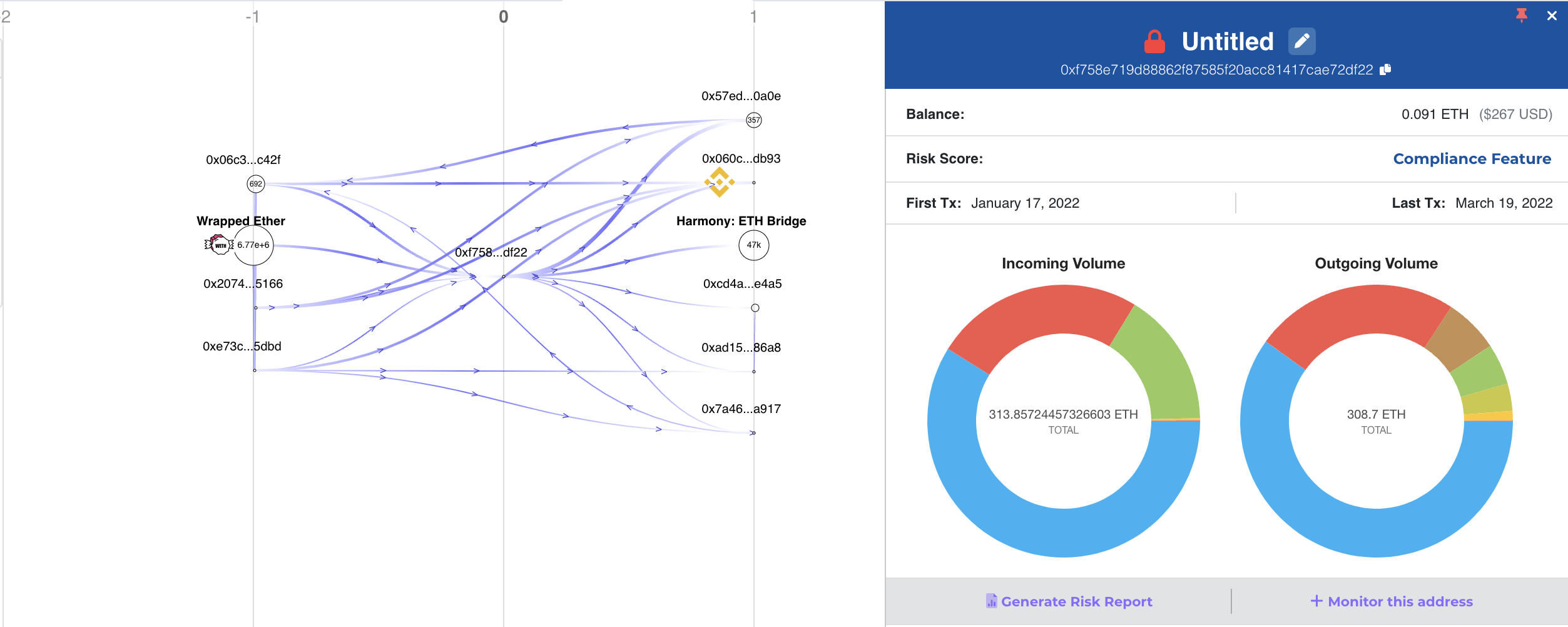
Other direct beneficiaries for this address are: 0x57ed6bd35a6ce815079855cd0b21331d1d5d0a0e, 0x57ed6bd35a6ce815079855cd0b21331d1d5d0a0e, 0xcd4a15841a4906ff78d3f2aa8e55936f1a7ae4a5, 0xad158b08348b46b94f2c36b34ab9c1e1ad4086a8, 0x7a46410e606c08fd106031701d8bd0c44657a917.
So, from the small data we have analysed, a total of $7,965,476 has been taken from the bridge deposits and sent to specific beneficiaries. And, there is more take() that we haven't included in these stats on Polygon and Ethereum Mainnet, and I haven't included data from all the other chains they support, so the figures are likely much larger.
As far as I can tell, this take() functionality and it's justification of being there is not documented.
From what I can see, the funds that are taken are moved across chains, to centralised exchanges, and to other addresses. With funds being taken from the bridge without the need for a deposit (since there's no check in the code), this causes a financial inbalance in the bridge assets.
I did reach out to EvoDefi on 2022-03-20 and one of their admins (@darwinEva) replied with the following:
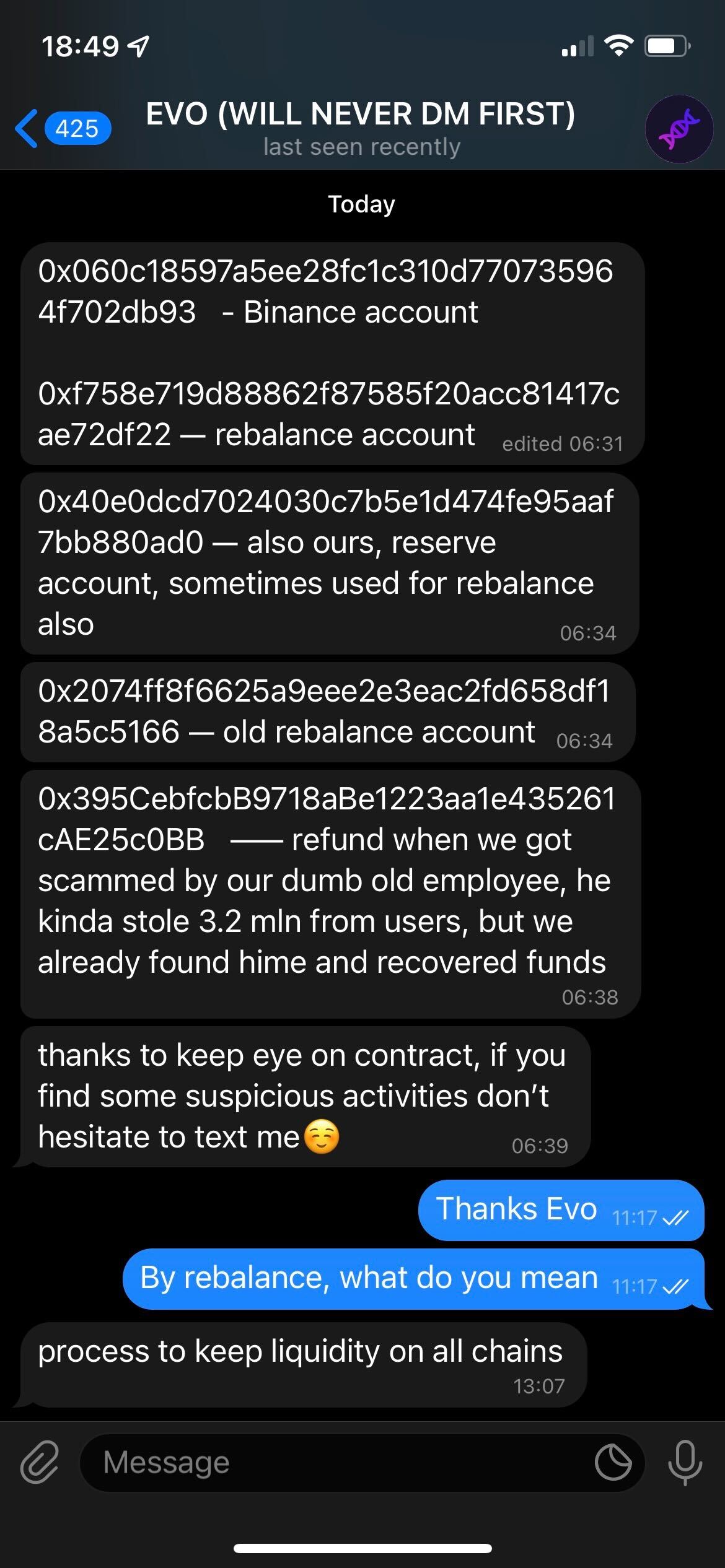
0x060c18597a5ee28fc1c310d770735964f702db93 - Binance account
0xf758e719d88862f87585f20acc81417cae72df22 — rebalance account
0x40e0dcd7024030c7b5e1d474fe95aaf7bb880ad0 — also ours, reserve account, sometimes used for rebalance also
0x2074ff8f6625a9eee2e3eac2fd658df18a5c5166 — old rebalance account
0x395CebfcbB9718aBe1223aa1e435261cAE25c0BB —— refund when we got scammed by our dumb old employee, he kinda stole 3.2 mln from users, but we already found hime and recovered funds
thanks to keep eye on contract, if you find some suspicious activities don’t hesitate to text me ☺️
I have not yet investigated if the "rebalancing" is correct and reflects on chain with keeping bridge funds balanced.